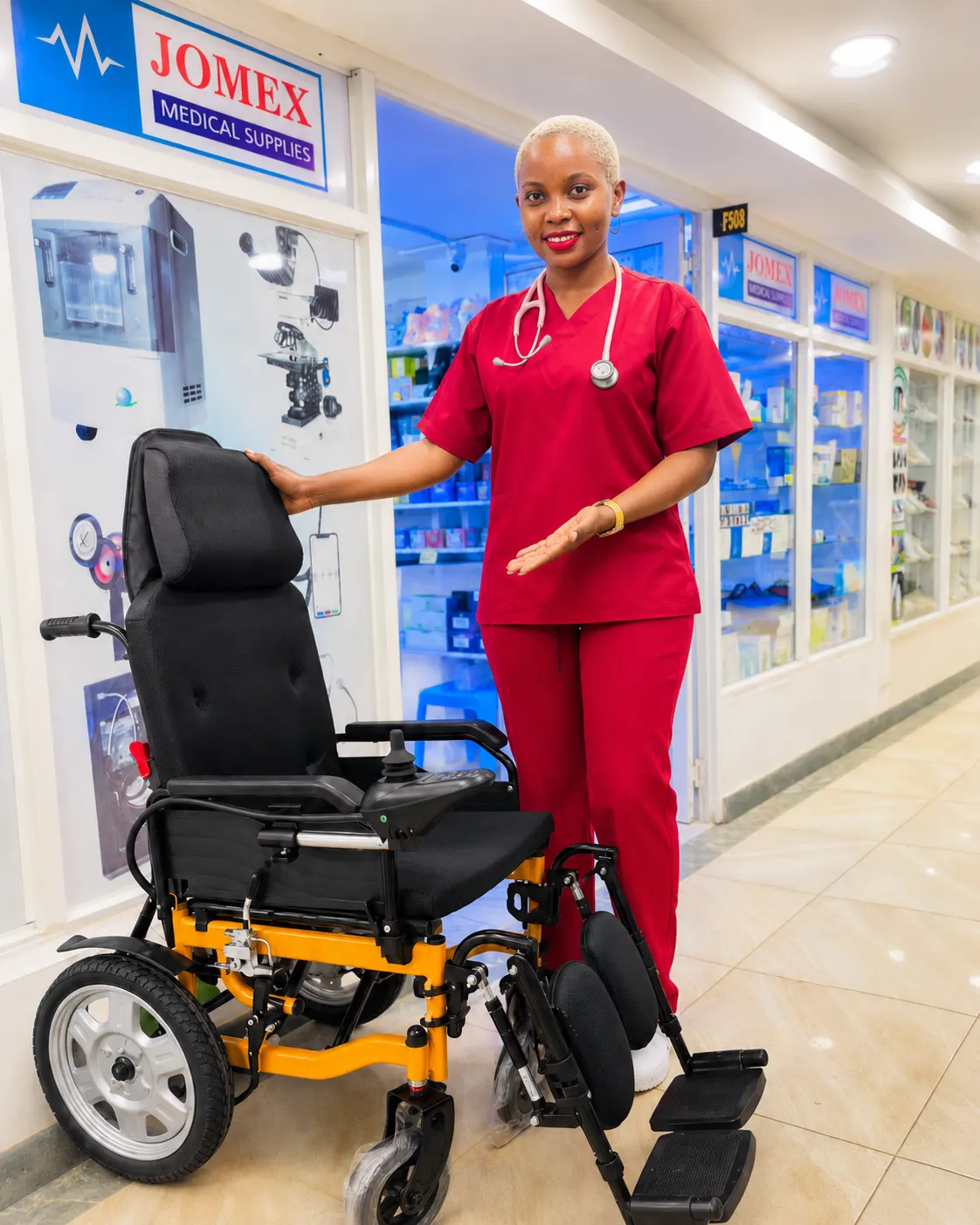
1. How to Choose the Right Wheelchair in Kenya
Read the full guide →
Quick answer: Choose a wheelchair by matching the user's mobility, posture, daily environment, transfer ability, transport needs, caregiver support and budget. The best wheelchair is not always the most expensive one; it is the one that fits the user safely and can be maintained locally.
The most searched wheelchair question is simple: "Which wheelchair should I buy?" Start with the person, not the product. Ask whether the user can self-propel, whether a caregiver will push, whether the chair will be used indoors, outdoors, in a clinic, in school, at church, at work or for long sitting hours. A buyer in Nairobi CBD may need a compact chair for shops and lifts, while a rural user may need stronger wheels, a durable frame that copes with outdoor use.
For short-term recovery and occasional use, a standard manual wheelchair may be enough. For daily independence where arm strength is limited, an electric wheelchair can reduce fatigue. For long sitting, poor trunk control or special positioning needs, look at reclining, tilt, cerebral palsy or supportive models. WHO guidance emphasizes individual assessment, fitting, training and follow-up as the route to better wheelchair outcomes.
Buying checklist
- Seat width, depth and user weight capacity
- Manual, electric, reclining, commode or CP support
- Indoor turning space and outdoor terrain
- Transport: foldable frame, car boot size, battery weight
- Brake quality, anti-tip safety and footrest comfort
- Warranty, fitting and local after-sale support
Summary: A wheelchair should be selected around user assessment, fit, intended environment, posture needs, safety, training and follow-up, not only price.

2. Manual Wheelchair vs Electric Wheelchair: Which Is Better?
Read the full guide →
Quick answer: Manual wheelchairs are lighter, simpler and easier to transport. Electric wheelchairs are better for users who need independent movement but cannot push themselves comfortably.
Manual wheelchairs remain popular because they are affordable, foldable and simpler to look after. They work well when the user has enough upper-body strength or when a caregiver is available. They are also practical for hospital visits, short trips, backup mobility and users who need a chair that can fit inside a car boot.
Electric wheelchairs, also called power wheelchairs, use motors and joystick controls. They are helpful for people with limited arm strength, long-distance movement needs or a desire for more independence. Buyers should consider battery range, charger availability, controller quality, turning radius, total weight and how the chair will be transported.
Best choice by need
- Choose manual: occasional use, caregiver support, tight budget, easy transport.
- Choose electric: daily independence, weak arms, longer distances, less caregiver pushing.
- Choose both if possible: electric for daily independence and manual as backup for travel or power outages.
Summary: Manual chairs prioritize portability and simplicity; electric chairs prioritize independent mobility for users who cannot self-propel comfortably.
3. Reclining Electric Wheelchairs: Benefits, Price and Who Needs One
Read the full guide →
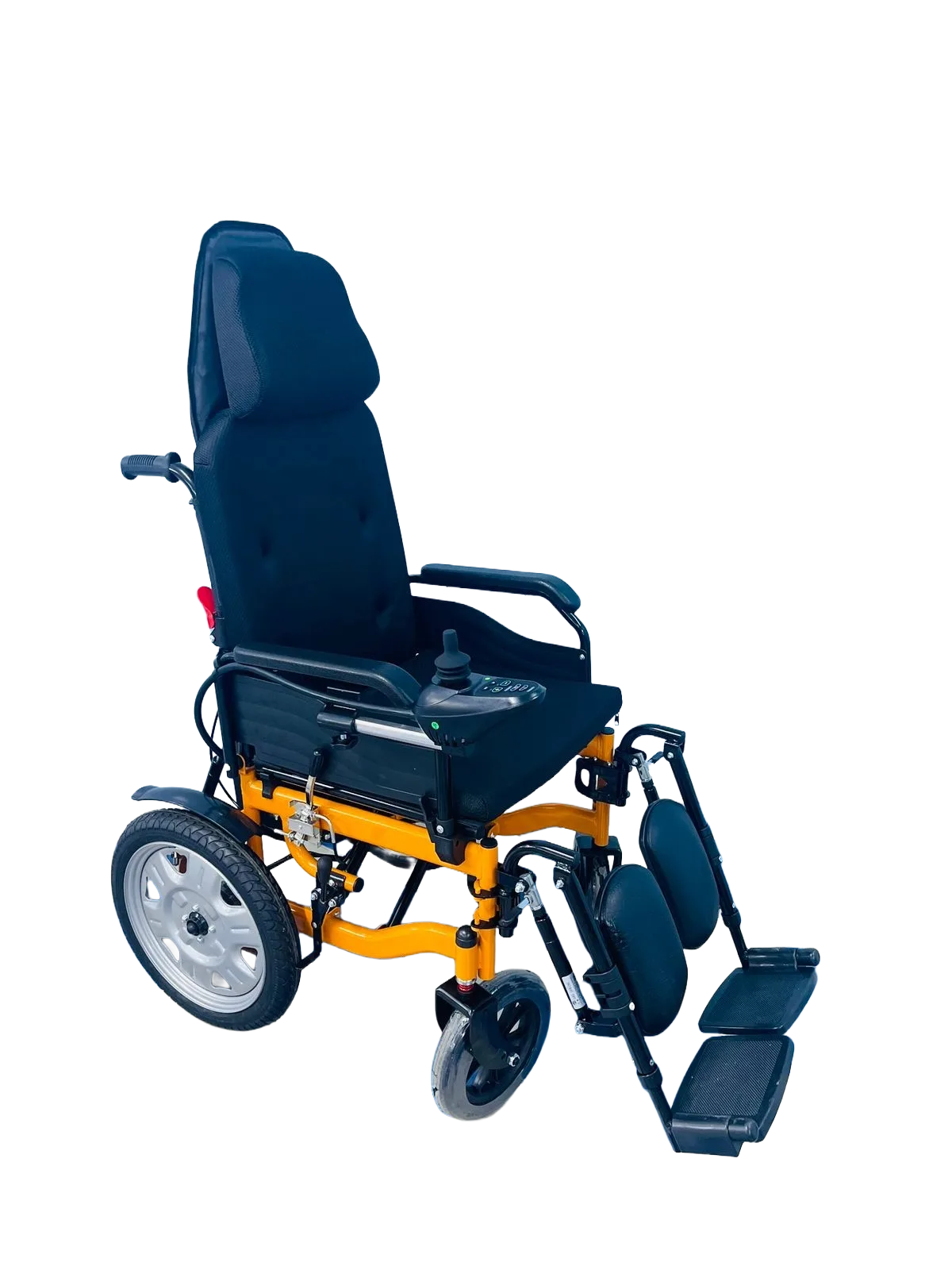
Quick answer: A reclining electric wheelchair is best for users who need powered movement plus a more relaxed back position for comfort, rest and long sitting.
Reclining electric wheelchairs are searched often because families want one chair that supports mobility and comfort. The powered movement helps the user move without being pushed, while the reclining backrest can reduce sitting fatigue during long days. This is useful for older adults, users with limited stamina and anyone who spends many hours in the chair.
Before buying, check the recline mechanism, battery range, motor strength, controller sensitivity, seat width, footrest comfort and whether the chair can enter your home, lift or vehicle. A good reclining electric wheelchair should feel stable when upright and controlled when reclined.
Kenya buyer note
For buyers comparing prices in Kenya, the bestseller reclining electric wheelchair should be judged on quality, warranty, battery condition, after-sale service and a written warranty. A low price is not useful if the seller cannot stand behind the chair.
Summary: Reclining electric wheelchairs combine powered independence with backrest comfort for users who sit for long periods and need reduced caregiver pushing.
4. Standard Electric Wheelchairs: What to Check Before Buying
Read the full guide →
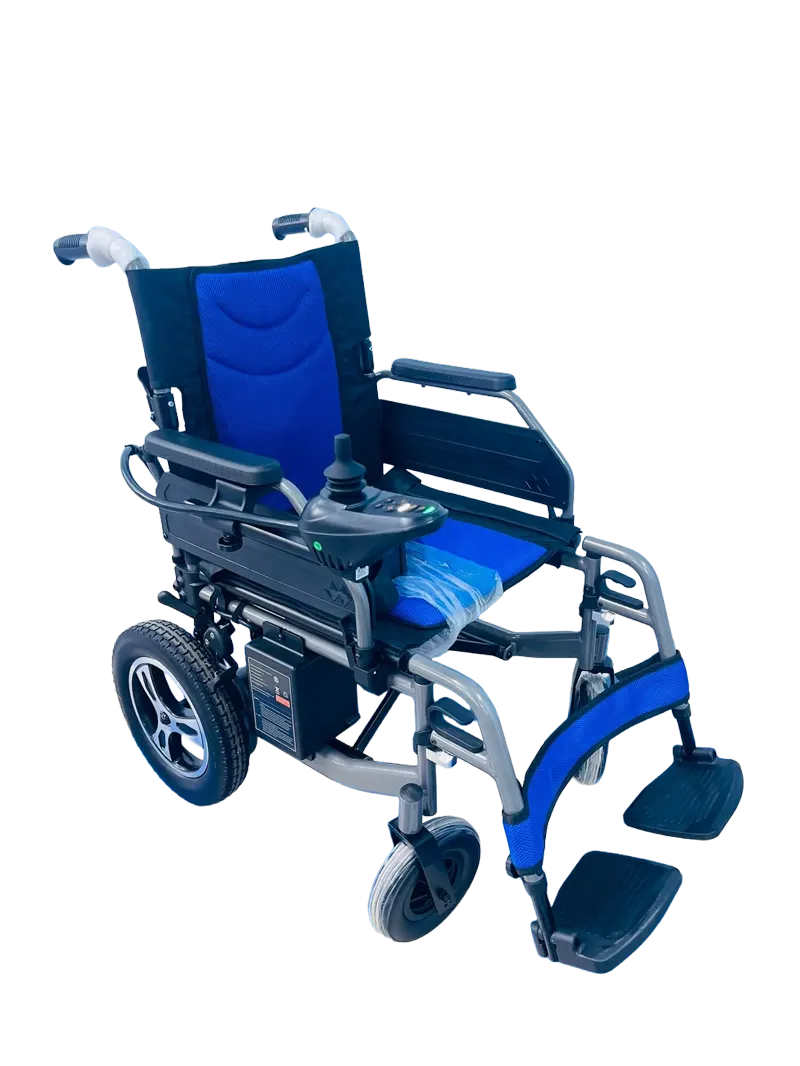
Quick answer: A standard electric wheelchair is a practical powered chair for daily movement when the user needs independence but does not need full reclining support.
Standard electric wheelchairs are often cheaper than reclining electric models and can be easier to manage. They suit users who need powered movement around home, estates, hospitals, malls, churches and workplaces. The main comparison points are battery range, total chair weight, tyre type, controller quality, seat comfort and turning radius.
Ask whether the chair can handle your usual surfaces: tiles, pavements, ramps, compound paths and small bumps. Also ask how long the battery should be charged, how to store it, and what happens if the chair is unused for a long time.
Standard electric wheelchair checklist
- Joystick responds smoothly without sudden jerks.
- Battery and charger are available locally.
- Seat is wide enough without forcing the hips.
- Footrests do not strain knees or ankles.
- Brakes and controller stop reliably.
Summary: Standard electric wheelchairs are best for daily powered mobility when recline is not required, but battery care, controller quality and local service support matter.
5. Cerebral Palsy Wheelchairs: Support, Posture and Comfort
Read the full guide →
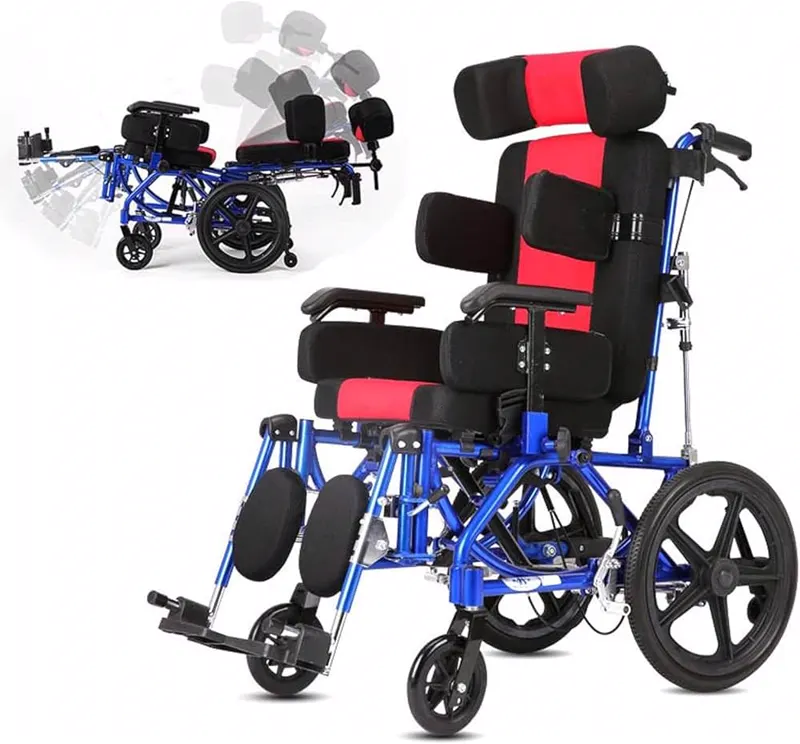
Quick answer: Cerebral palsy wheelchairs are designed for users who need more posture support than a standard wheelchair can provide.
A cerebral palsy wheelchair may include head support, side supports, pelvic support, adjustable footrests, reclining or tilt features and a supportive seat. These features help the user sit more safely and comfortably, especially when trunk control, head control or posture is limited.
Parents and caregivers should avoid buying only by age. A child's height, weight, hip width, posture, leg length, sitting balance and growth needs matter. If the wheelchair is too wide, the child may lean. If it is too narrow, it can create pressure and discomfort. WHO intermediate wheelchair service materials focus on appropriate wheelchairs and cushions for users who need extra postural support.
Questions to ask
- Does the user need head, side or trunk support?
- Can the chair support upright sitting without forcing posture?
- Is there room for growth or adjustment?
- Can the caregiver safely fold, lift or move the chair?
Summary: Cerebral palsy wheelchairs should be selected for posture, support, comfort, growth and caregiver handling, not only seat size.
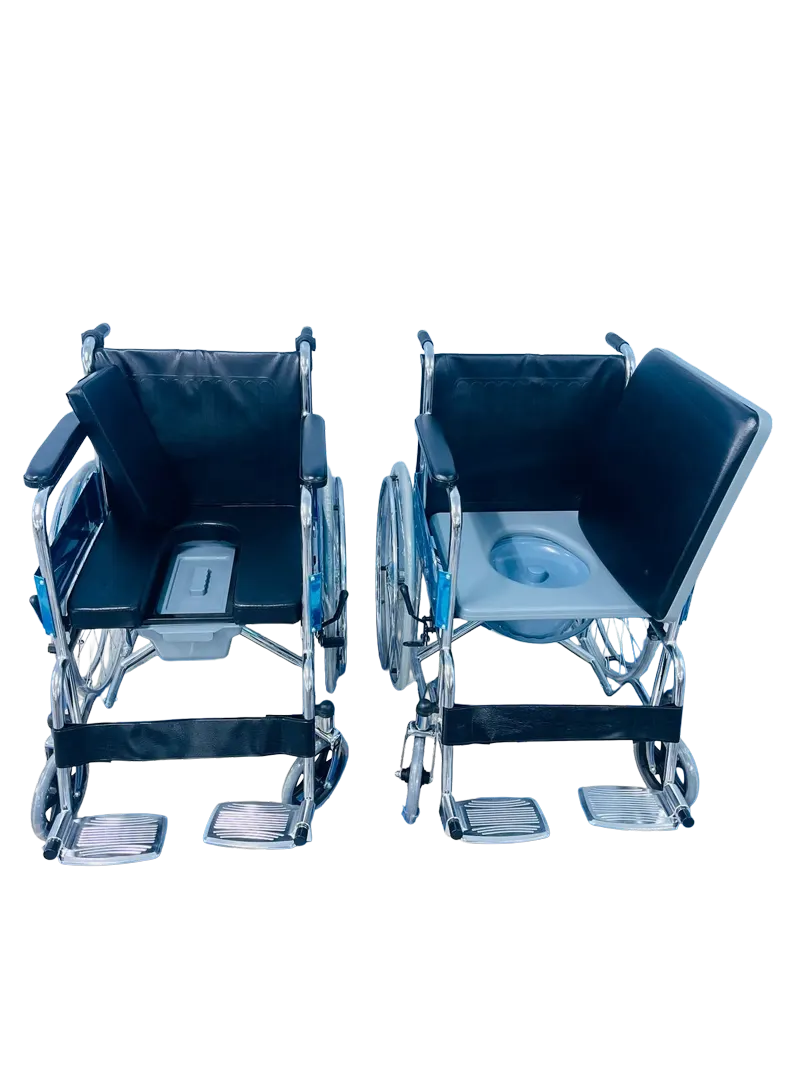
6. Commode Wheelchairs and Commode Chairs: What Is the Difference?
Read the full guide →
Quick answer: A commode chair supports toileting in one place, while a commode wheelchair adds wheels and mobility so a caregiver can move the user more easily.
Commode products are among the most practical home-care items. They are used by older adults, post-surgery patients, people with weak legs and users who cannot safely walk to the toilet at night. The right option depends on whether the user only needs bedside toileting support or needs a movable chair that can be pushed to the bathroom.
Look for a stable frame, comfortable seat, removable bucket or pan, easy-clean surfaces, safe brakes and footrests that do not block transfers. Chrome and stainless-look frames are popular because they feel strong and clean easily, but stability and fit are more important than appearance.
When to choose each
- Commode chair: bedside use, simple transfers, lower budget.
- Commode wheelchair: movement between bedroom and bathroom, caregiver pushing, combined mobility and toileting.
- Reclining commode wheelchair: extra comfort where sitting tolerance is limited.
Summary: Commode chairs are for toileting support; commode wheelchairs combine toileting with caregiver-assisted movement.
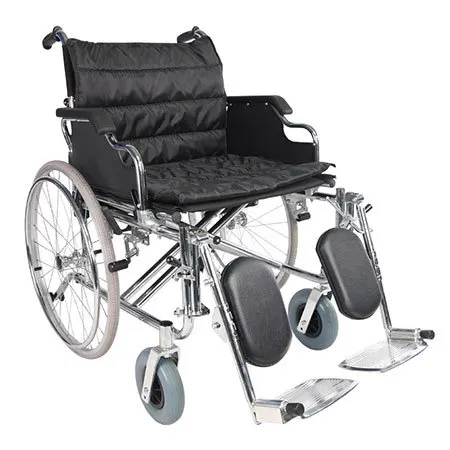
7. Wheelchair Sizing: Seat Width, Depth, Height and Weight Capacity
Read the full guide →
Quick answer: A wheelchair fits well when the seat supports the hips and thighs, the feet rest comfortably, the back is supported and the user can transfer safely.
Many wheelchair problems begin with poor sizing. A chair that is too narrow can create pressure and pain. A chair that is too wide can cause leaning, poor posture and hard self-propelling. Seat depth should support the thighs without pressing behind the knees. Seat height should allow safe transfers and proper footrest position.
For heavy-duty users, check the maximum user weight, frame strength and seat width. Extra wide foldable wheelchairs are useful when the user needs more hip room but still wants transport convenience. Always confirm measurements before buying, especially when ordering by phone or online.
Basic measurements
- Seat width: hip width plus comfortable side clearance.
- Seat depth: buttocks to behind knees, leaving space behind knees.
- Back height: enough support without blocking movement unnecessarily.
- Footrest length: thighs supported and feet stable.
Summary: Wheelchair fit depends on seat width, seat depth, seat height, back support, footrest length, user weight and transfer needs.

8. Wheelchair Pressure Relief and Cushions: How to Sit Safely for Longer
Read the full guide →
Quick answer: Long sitting can increase pressure on the skin. A good cushion, correct posture and regular pressure relief help reduce discomfort and pressure injury risk.
Pressure relief is one of the most searched wheelchair health topics because many users sit for long periods. The risk increases when a person has reduced sensation, poor nutrition, previous pressure wounds, poor posture or limited ability to shift weight. Cushions can help, but they do not replace correct fit and regular repositioning.
The Ohio State University patient education material recommends planned pressure relief for power wheelchair users. WHO wheelchair training materials also connect cushion choice and pressure sore prevention. In practical terms, users and caregivers should learn how often to change position, how to inspect skin and when to seek medical advice.
Practical pressure relief tips
- Use a cushion suited to the user's risk level.
- Keep hips back and posture supported.
- Check skin daily where pressure is high.
- Ask a clinician if redness, pain or wounds appear.
- Do not use a damaged or flattened cushion for long sitting.
Summary: Pressure relief combines correct wheelchair fit, suitable cushions, posture support, regular repositioning and skin checks.

9. Wheelchair Maintenance: Tyres, Brakes and Batteries
Read the full guide →
Quick answer: Regular wheelchair maintenance keeps the chair safer, smoother and cheaper to own over time.
Manual wheelchair maintenance focuses on brakes, tyres, front casters, footrests, upholstery, folding joints and loose bolts. Electric wheelchair maintenance adds battery care, charger condition, joystick response, wiring, motors and controller checks. A chair used daily on rough paths needs more frequent checks than one used indoors.
For electric wheelchairs, battery care is critical. Charge according to the supplier's guidance, avoid deep discharge where possible, keep the charger dry and ask how to store the chair when not in use. If the joystick jerks, brakes fail, the recline feels loose or the chair pulls to one side, stop using it and contact us if it is still under warranty.
Monthly maintenance list
- Check brakes lock firmly.
- Inspect tyres and casters for wear.
- Tighten loose screws and footrest parts.
- Clean upholstery and commode surfaces.
- Confirm charger and battery work normally.
Summary: Wheelchair maintenance should cover brakes, tyres, casters, frame joints, upholstery, batteries, chargers and joystick controls.

10. Transporting and Travelling With a Wheelchair in Kenya
Read the full guide →
Quick answer: The best travel wheelchair is easy to fold, lift and secure, while still fitting the user's body and daily needs.
Transport is a major buying factor in Kenya because families often use taxis, personal cars, matatus, ambulances or school vehicles. A wheelchair that is comfortable but impossible to lift may frustrate caregivers. A very light chair that does not fit the user may cause discomfort. Balance portability with fit.
For manual chairs, check folded width, removable footrests, rear wheel size and total weight. For electric chairs, ask whether the battery is removable, whether the frame folds, and how many people are needed to lift it. If the user will sit in the wheelchair inside a vehicle, ask for professional guidance on safe transport and restraints.
Travel-ready features
- Foldable frame or detachable parts.
- Reliable brakes for transfers.
- Tyres suited to local surfaces.
- Clear lifting points for caregivers.
- Compact turning radius for homes and shops.
Summary: Travel wheelchair selection should balance portability, user fit, caregiver lifting, vehicle storage, brakes, tyres and safe transport guidance.